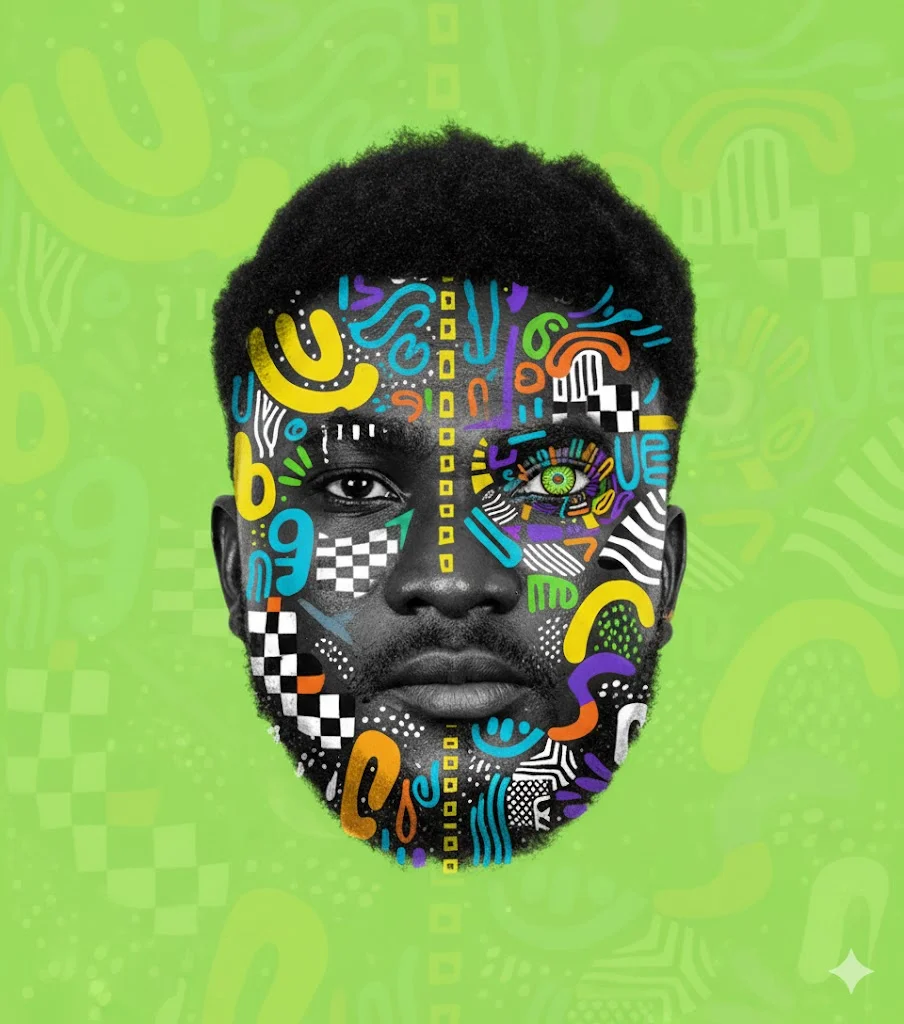
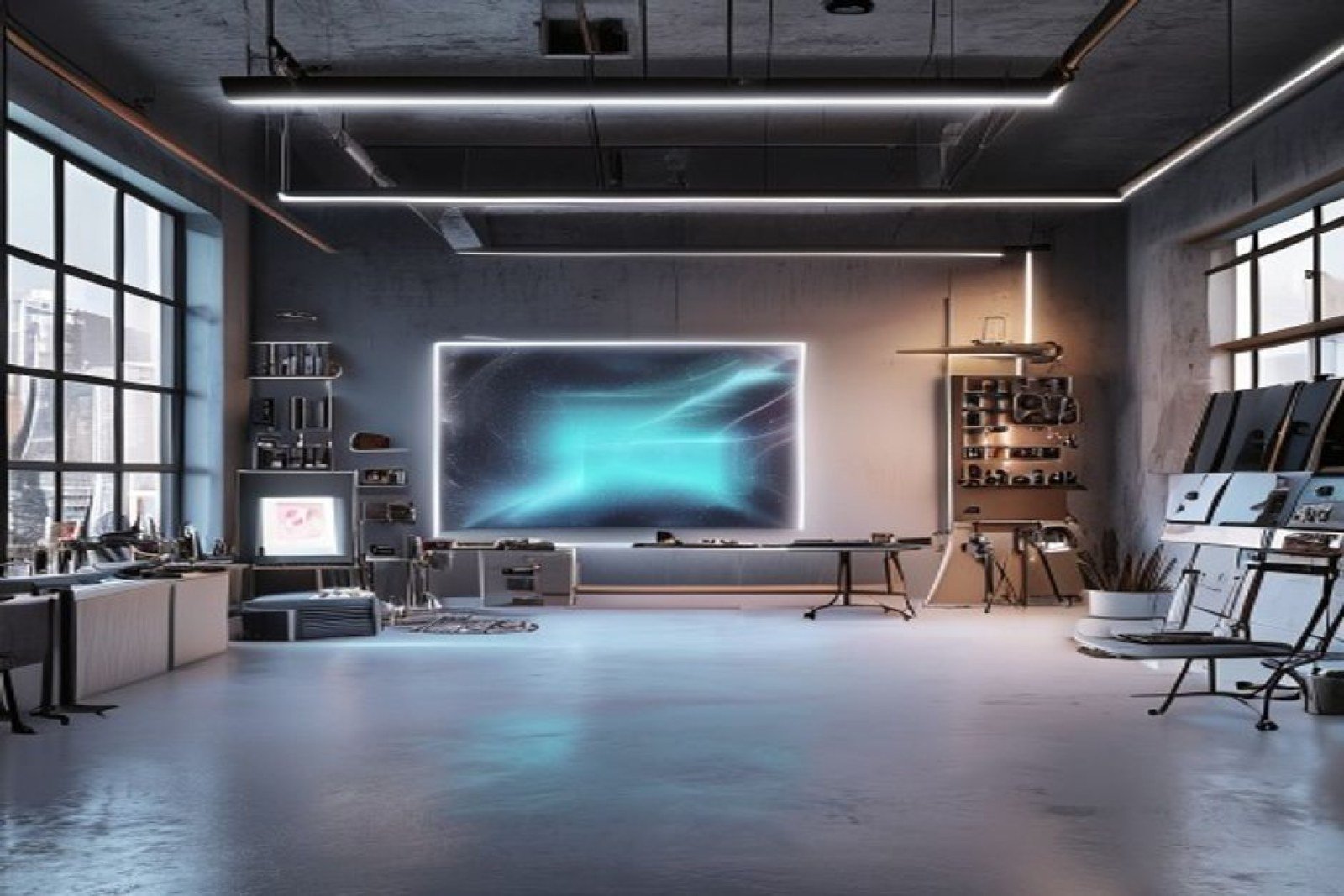
The intersection of technology and art has become a pivotal point of interest in the creative industry, with AI tools and digital platforms revolutionizing the way we perceive, create, and interact with art. As we delve into this fascinating realm, it's clear that the future of art and design is inextricably linked with technological advancements. The influence of technology on art is not only changing the creative process but also opening up new avenues for branding and marketing strategies.
The Evolution of Art in the Digital Age
With the advent of digital art tools, artists and designers can now explore a myriad of possibilities that were previously unimaginable. From graphic design to virtual reality experiences, the scope of creative expression has expanded exponentially. Moreover, the rise of social media platforms has provided artists with unprecedented opportunities for global visibility and connectivity.
Key Trends in Tech-Driven Art
- Utilization of AI-generated art for unique and innovative designs.
- Integration of virtual and augmented reality in art exhibitions and installations.
- Employment of data analytics to understand audience engagement and preferences.
To navigate this evolving landscape, creatives must be willing to adapt and embrace new technologies. By doing so, they can unlock a plethora of opportunities, from collaborations with tech companies to developing bespoke digital experiences for clients and audiences alike.
Actionable Tips for Creatives
To stay ahead of the curve, consider the following strategies:
- Invest in learning new digital skills, such as coding or 3D modeling, to enhance your creative toolkit.
- Experiment with AI tools and platforms to discover novel ways of creating and interacting with art.
- Engage with online communities and forums to stay updated on the latest trends and best practices in tech-driven art.
As we move forward, the symbiosis between technology and art will continue to redefine the creative landscape. By embracing this intersection and leveraging its potential, we can unlock new dimensions of innovation, expression, and connection.