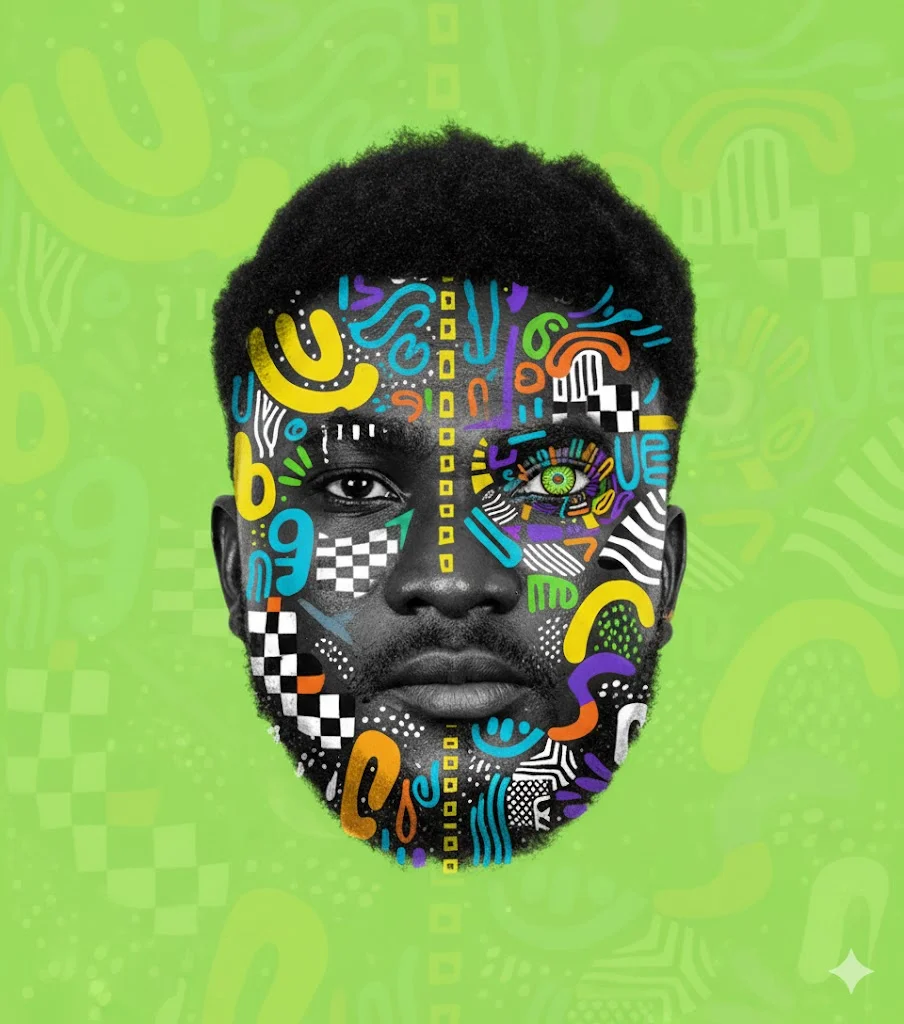

Meta’s latest announcement at its annual developer conference has sent ripples through the AI community: the company’s Muse AI Charms, its line of virtual assistants and companion bots, can now interact with one another. The feature, unveiled in a live demo, shows two distinct Charms—an AI gardener and an AI musician—engaging in a dialogue that feels both natural and context‑aware. This is more than a novelty; it marks a pivotal shift toward interconnected AI ecosystems that mirror the complexity of human social interactions.
What Meta Unveiled at Its Latest Product Launch
During the keynote, Meta’s chief AI strategist highlighted the “inter‑Charm” capability as part of a broader strategy to make its AI offerings more collaborative. In the demo, the gardener Charm asks the musician for inspiration to plant a soundscape garden, while the musician responds with a tune that reflects the gardener’s environmental goals. The exchange is powered by a new cross‑model inference layer that shares contextual embeddings in real time, allowing each Charm to adapt its responses based on the other’s state.
Meta also revealed that the underlying architecture is open for third‑party developers. A new API endpoint lets external applications trigger multi‑Charm conversations, opening the door for immersive storytelling, educational simulations, and even cooperative gaming experiences.
Technical Foundations Behind the Interaction
At the heart of the new capability lies Meta’s “Charm Mesh” framework, a decentralized graph that maps relationships between individual AI models. Each Charm maintains its own knowledge graph, but when connected, the mesh allows them to share semantic anchors—concepts like "season," "emotion," or "art style." This shared semantic space is built on Meta’s existing Llama 3 language model, fine‑tuned for multimodal dialogue.
To keep the conversation fluid, Meta introduced a lightweight context‑synchronization protocol. The protocol uses token‑based updates to propagate state changes, ensuring that each Charm can adjust its behavior on the fly without waiting for a full round‑trip to a central server. The result is a 30‑percent reduction in latency compared to prior single‑Charm interactions, a figure that Meta says will be critical for real‑time applications.
Implications for Developers and Users
For developers, the new API means they can create “Charm Pods”—bundles of interacting characters that share a narrative arc. A game studio, for instance, could deploy a team of Charms that work together to guide players through a virtual world, each Charm bringing its own personality and expertise. An educational platform might combine a history Charm with a science Charm to deliver interdisciplinary lessons that feel conversational rather than lecture‑based.
Users, on the other hand, will experience a richer, more organic interaction model. Instead of a single, static chatbot, they can now engage with a cast of AI characters that respond to each other’s cues. This opens possibilities for dynamic storytelling, collaborative creativity, and even mental wellness applications where multiple supportive characters converse to provide a more nuanced experience.
Concrete Takeaway for the Tech Ecosystem
The most tangible benefit of Meta’s inter‑Charm feature is the new “multi‑character API” that developers can integrate into their apps. By calling this endpoint, an application can orchestrate a dialogue between any number of Charms, each pulling from its own knowledge base but sharing context. This enables the creation of complex, multi‑agent AI systems without the need to build a monolithic model from scratch.
In practice, this could mean a travel app that uses a travel Charm, a budgeting Charm, and a local‑culture Charm to co‑create a personalized itinerary. The Charm Pod would dynamically adjust its recommendations based on real‑time user feedback and the internal states of the other Charms, delivering a seamless, human‑like planning experience.
Why It Matters
Meta’s move toward interconnected AI characters signals a broader industry trend: the shift from isolated, single‑purpose assistants to collaborative AI ecosystems. This mirrors the way humans rely on social networks to solve complex problems—no single person can master everything, but together they can achieve more. For the AI field, it underscores the importance of modular, interoperable systems that can be composed on demand.
Moreover, Meta’s open‑API approach encourages third‑party innovation. By lowering the barrier to entry for building multi‑Charm experiences, Meta could accelerate the adoption of AI in creative industries, education, and beyond. As more developers experiment with these capabilities, we can expect to see a new wave of AI‑powered narratives, interactive learning tools, and immersive entertainment.
Looking Ahead
Meta plans to roll out the inter‑Charm API to select partners in the next quarter, with a full public release slated for late 2027. The company will also expand the Charm ecosystem to include new domains—such as finance, healthcare, and environmental monitoring—each bringing specialized knowledge to the mesh. As the network of AI characters grows, the potential for complex, context‑rich interactions will only increase, offering developers and users alike a richer, more engaging digital experience.
In summary, Meta’s Muse AI Charms can now interact with each other, opening up a new frontier for multi‑character AI applications. The key takeaway? Developers now have the tools to create collaborative AI experiences that were previously only possible in theory. The next step is to experiment, iterate, and see how these intertwined characters can transform the way we work, learn, and play.