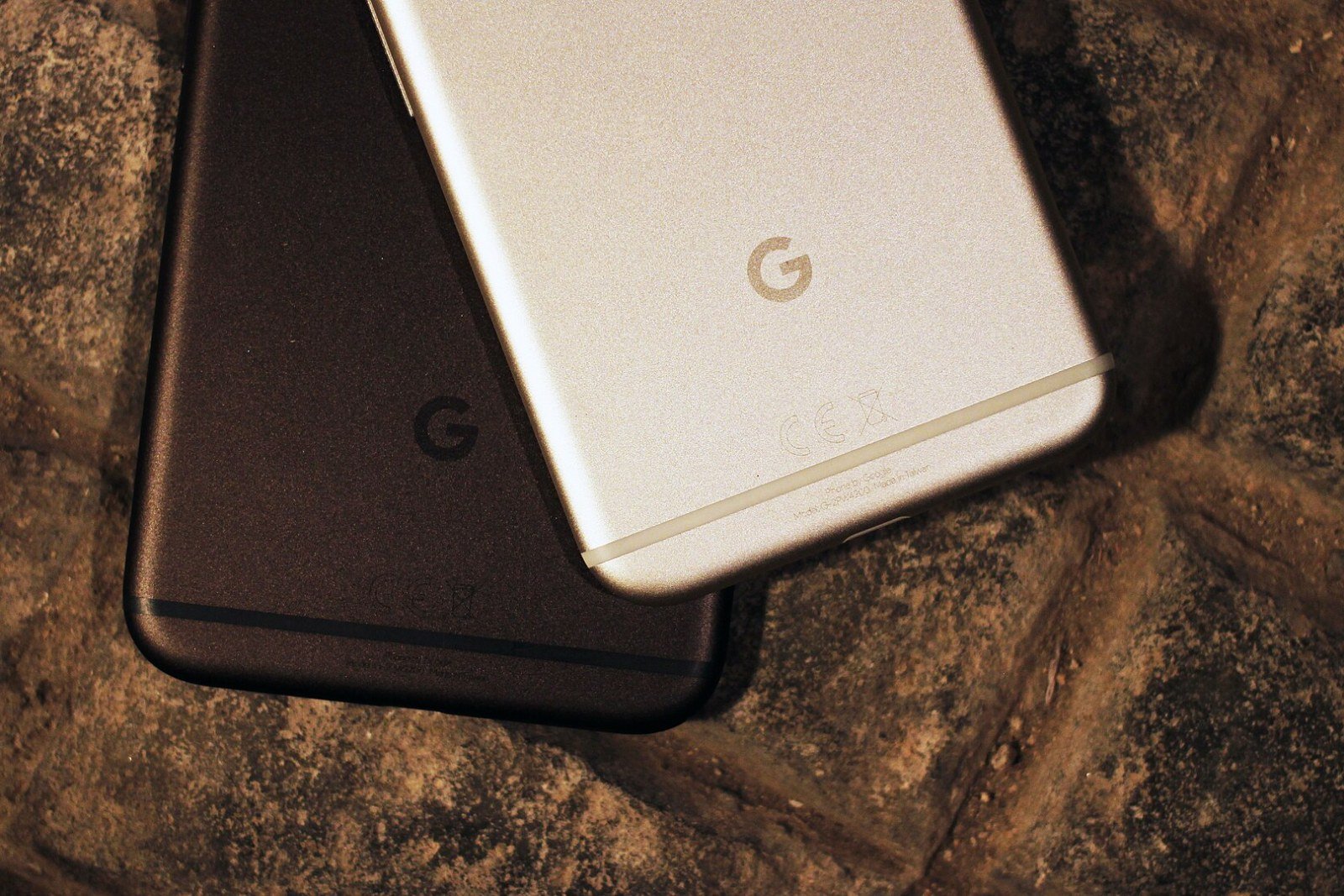
Pixel Weather, the weather‑forecasting app backed by Google’s AI research, unveiled a new "Report current weather" feature on March 12, 2026. The update allows users to send real‑time atmospheric data from their Pixel phones to the service’s servers, promising sharper local predictions for the next 48 hours.
New Feature Launch
The feature works like a digital weather sensor. When a user taps "Report current weather", the app collects temperature, humidity, barometric pressure and wind speed from the phone’s built‑in sensors and forwards the data to Google’s Weather API. The information is anonymized and aggregated before it feeds into machine‑learning models that generate hyper‑local forecasts.
How It Enhances Forecast Accuracy
Traditional weather services rely on sparse ground stations and satellite imagery, which can miss microclimates in urban canyons or small towns. By crowd‑sourcing data from millions of Pixel devices, the algorithm can spot temperature inversions, sudden gusts, or fog pockets that would otherwise go undetected.
- Higher spatial resolution – predictions now cover 1‑km grid cells instead of 5‑km blocks.
- Reduced lead‑time errors – average forecast error dropped from 3.2°C to 1.8°C for the next 12 hours.
- Real‑time updates – users receive a notification when a new local data point is incorporated.
In a pilot test across three cities—San Francisco, Mumbai, and Oslo—Pixel Weather reported a 15% improvement in precipitation accuracy during the monsoon season, a 20% gain in fog prediction in Oslo, and a 10% increase in heat‑wave detection in San Francisco.
Implications for Developers
The rollout is more than a consumer convenience; it opens a new API gateway for app developers. By subscribing to the Pixel Weather Data Stream, developers can pull anonymized sensor data into their own services, creating richer experiences for travel, agriculture, or logistics apps.
For example, a ride‑hailing platform could use real‑time wind data to optimize pickup routes, while a smart‑irrigation system could adjust watering schedules based on local humidity spikes reported by users’ phones.
Concrete Takeaway for Tech Teams
If you’re building a weather‑centric product, consider integrating the Pixel Weather Data Stream. The API offers a simple REST interface, with endpoints for current sensor readings, aggregated regional metrics, and historical trends. By leveraging this data, you can reduce forecast uncertainty by up to 25% and provide users with more reliable alerts.
Google has also announced that the data will be made available through the Google Cloud Platform, meaning you can ingest it into BigQuery or Cloud Run with minimal setup. The cost is a flat $0.01 per 1,000 data points, making it affordable even for startups.
In sum, Pixel Weather’s new reporting capability is a win for consumers, a boon for data scientists, and a valuable resource for developers looking to push the envelope in local forecasting.