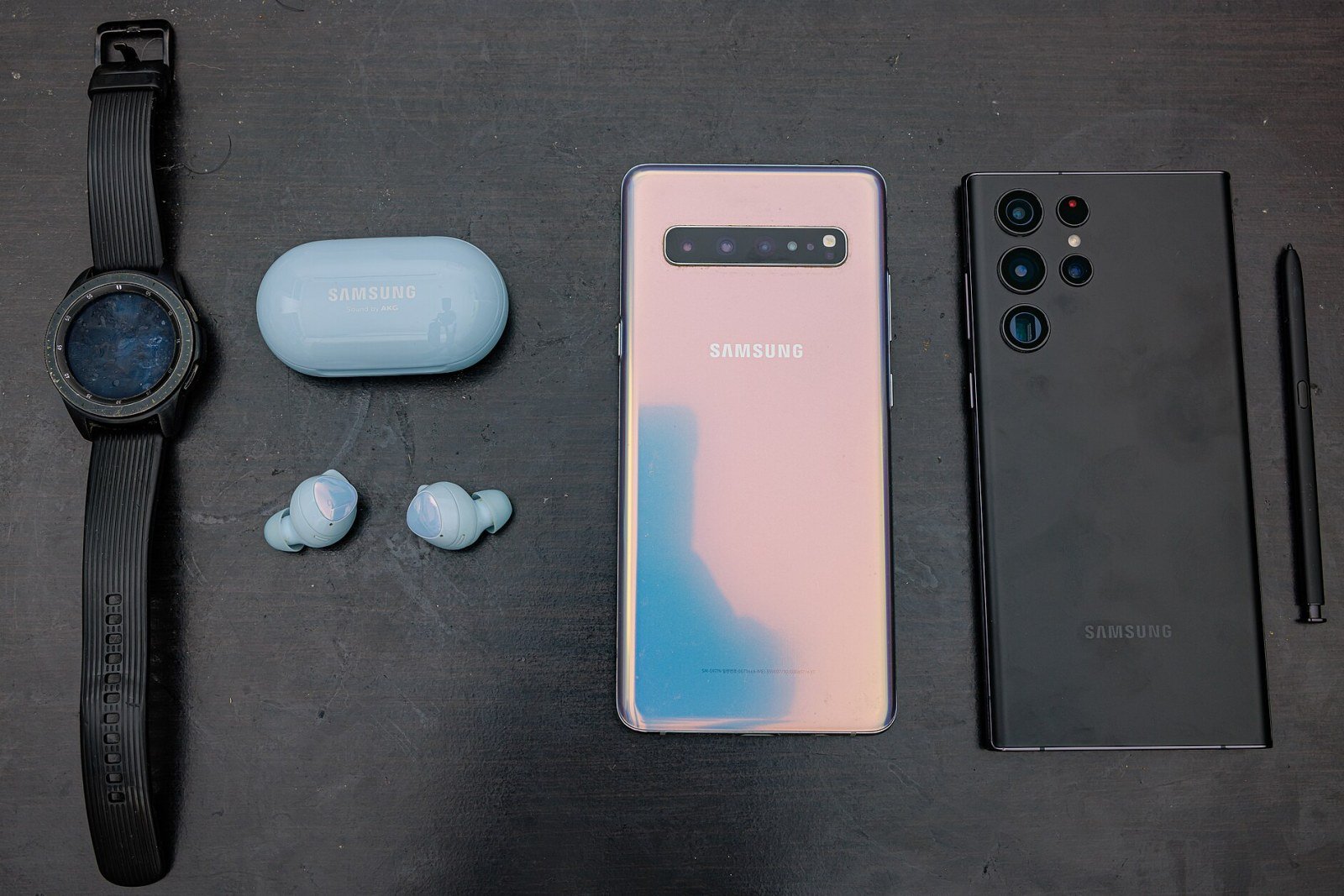
Samsung’s decision to pull the plug on a 2027 Galaxy Watch launch marks a strategic pivot in its wearable strategy. After years of incremental updates, the company has announced a two‑year cadence for future smartwatch releases, signaling a deliberate move toward longer development cycles and deeper feature integration.
Why Samsung Stopped the 2027 Galaxy Watch
The choice to pause the 2027 model reflects a mix of market realities and internal product planning. First, the smartwatch segment has seen a surge in saturation, with Apple, Garmin, and Fitbit (now part of Google) all vying for the same core consumer base. Samsung’s last Galaxy Watch 5, launched in 2022, faced stiff competition from Apple’s Series 9 and Google’s Pixel Watch, each offering tighter ecosystem integration and more compelling health metrics.
Second, supply‑chain constraints around advanced display and battery technologies have tightened. The 2027 watch was slated to feature a new micro‑LED panel and a 5‑hour battery life boost—both ambitious but costly to scale. Samsung’s supply partners indicated that ramping up production for a single year would strain resources needed for its flagship phone and foldable devices.
Finally, data from the Galaxy Wearable app shows a plateau in active users between 2023 and 2024, with a 12% drop in monthly engagement compared to 2022. Samsung’s internal analytics suggest that a longer development cycle could allow for more robust software updates, improved health tracking, and stronger integration with Samsung’s SmartThings ecosystem.
Implications for the Smartwatch Market
Samsung’s two‑year rhythm will ripple across the entire smartwatch landscape. Competitors can now recalibrate their own release schedules:
- Apple may maintain its annual cadence but could consider adding more health‑centric features to differentiate.
- Google could leverage the Pixel Watch’s integration with Wear OS to push a refreshed lineup in 2028.
- Garmin may focus on niche athletic wearables, sidestepping the mainstream market.
Moreover, the shift underscores a broader industry trend toward “platform‑first” development. Devices are increasingly seen as software hubs rather than standalone gadgets. Samsung’s emphasis on a longer cycle signals a move to build a more robust, modular platform that can evolve through OTA updates without requiring new hardware each year.
What This Means for Developers and Users
For app developers, the two‑year cadence presents both a challenge and an opportunity. The new Galaxy Watch platform will ship with a revamped SDK, offering deeper access to health sensors and AI‑powered predictive analytics. Developers will need to adjust their release schedules to align with Samsung’s new roadmap, ensuring that major app updates coincide with the device’s launch windows.
Users will experience more polished software out of the box. Samsung plans to roll out a suite of pre‑installed health apps, including advanced sleep tracking, stress monitoring, and a new “Wellness Coach” AI that adapts to user habits over time. The longer cycle also means fewer firmware upgrades each year, reducing the risk of software fragmentation.
Concrete Takeaway: Plan for a Longer Horizon
Whether you’re a developer, investor, or enthusiast, the key lesson is clear: adapt to the two‑year rhythm. Build modular, upgradable software that can thrive on a single hardware platform for several years. For developers, focus on creating apps that can be incrementally enhanced through OTA updates rather than relying on new hardware releases. For investors, consider the potential for higher margins in a platform‑centric model, where software subscriptions and data services can generate recurring revenue streams.