The integration of Artificial Intelligence (AI) in design and art has been a subject of fascination and exploration in recent years. With the ability to process vast amounts of data and learn from it, AI tools are now being used to create stunning works of art, from paintings to sculptures, and even to develop innovative branding strategies. In this article, we will delve into the exciting world of AI in design and art, exploring its applications, benefits, and what the future holds for this burgeoning field.
Introduction to AI-Generated Art
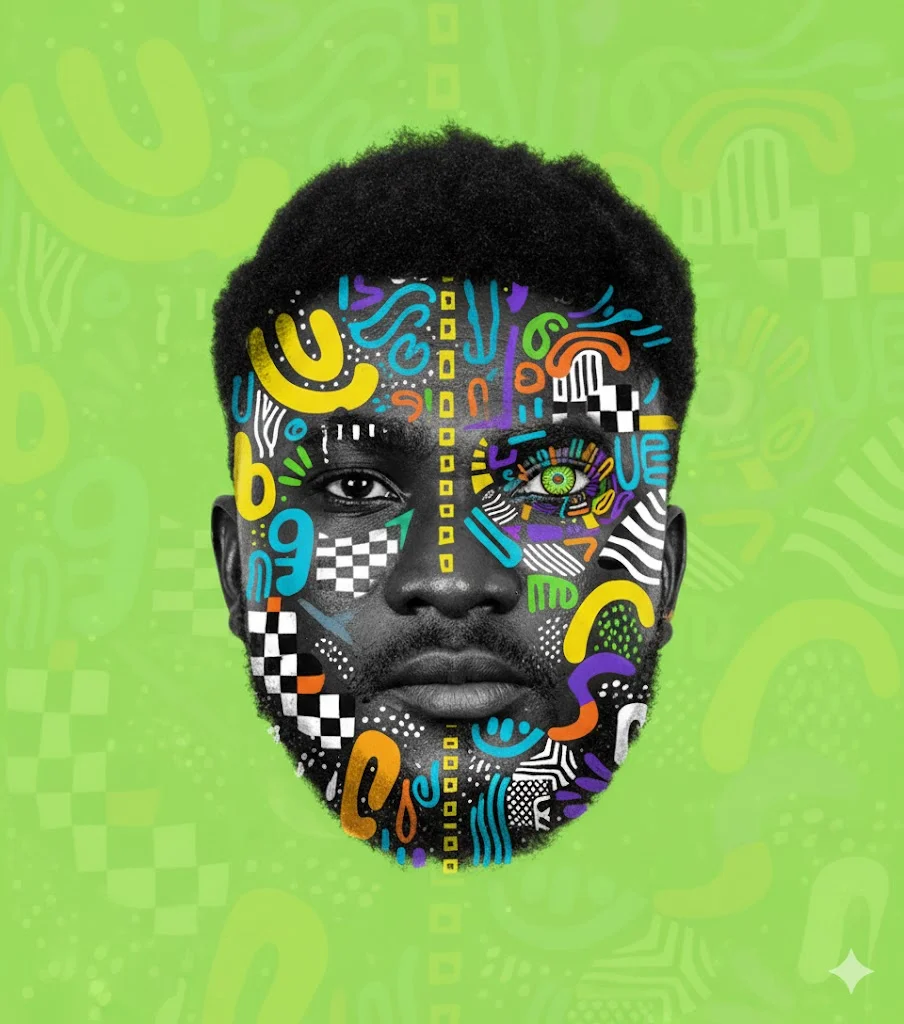
AI-generated art, also known as machine-generated art, refers to artworks created using algorithms and machine learning models. These models are trained on vast datasets of images, allowing them to learn patterns, styles, and techniques, which they can then apply to generate new, unique pieces of art. This technology has opened up new avenues for artists, designers, and creatives, enabling them to experiment with novel styles and push the boundaries of their imagination.
Applications of AI in Design
- Automated Design Tools: AI-powered design tools can automate repetitive tasks, such as formatting and layout, freeing up designers to focus on the creative aspects of their work.
- Personalized Branding: AI can analyze customer data and preferences, enabling businesses to create personalized branding strategies that resonate with their target audience.
- Generative Design: AI algorithms can generate multiple design options based on a set of parameters, allowing designers to explore a wide range of possibilities and select the best solution.
To get the most out of AI in design, it's essential to understand how to effectively collaborate with these tools. Here are some actionable tips:
- Start by defining a clear brief and objective for your project.
- Experiment with different AI tools and algorithms to find the one that best suits your needs.
- Use AI-generated designs as a starting point, and then refine and iterate upon them to add your personal touch.
The Future of AI in Design and Art
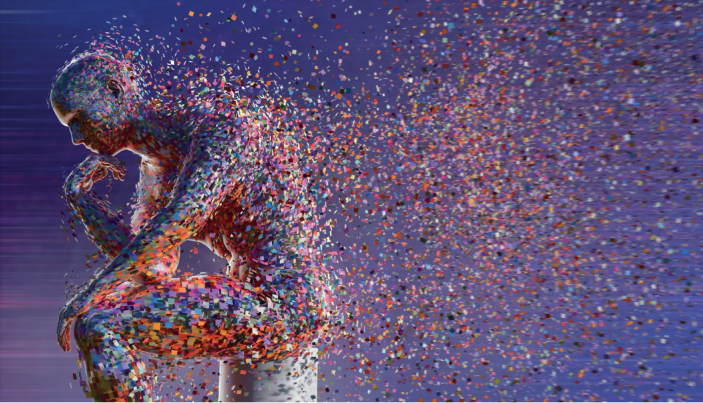
As AI technology continues to evolve, we can expect to see even more innovative applications of AI in design and art. From virtual reality experiences to AI-powered design platforms, the possibilities are endless. However, it's crucial to remember that AI is a tool, not a replacement for human creativity. By embracing AI as a collaborator, rather than a competitor, we can unlock new levels of innovation and push the boundaries of what is possible in the world of design and art.