
As interaction designers, we have spent decades perfecting the art of the pixel. We have debated grid systems, optimized micro-animations, and established visual hierarchies that guide users seamlessly through digital spaces. Today, however, the canvas is expanding beyond the screen. The rapid rise of smart assistants, ambient computing, and voice-activated devices means that the future of interaction design is increasingly invisible. Designing for Voice UI (VUI) represents a fundamental paradigm shift—one where conversation replaces clicks, and auditory personality replaces visual layout.
For premium brands and forward-thinking creative studios, mastering Voice UI is no longer a futuristic luxury; it is a critical differentiator. In this comprehensive guide, we will explore how to design intuitive, human-centric voice experiences that elevate user engagement, build brand equity, and redefine the boundaries of modern UX design.
Why Voice UI is the Next Frontier in Interaction Design
Human beings are hardwired for speech. Long before we learned to write, draw, or tap on glass, we conversed. Voice UI capitalizes on this innate human capability, offering a friction-free method of interaction that bypasses the learning curves associated with complex visual interfaces. By utilizing natural language, VUI makes digital ecosystems more accessible, efficient, and deeply personal.
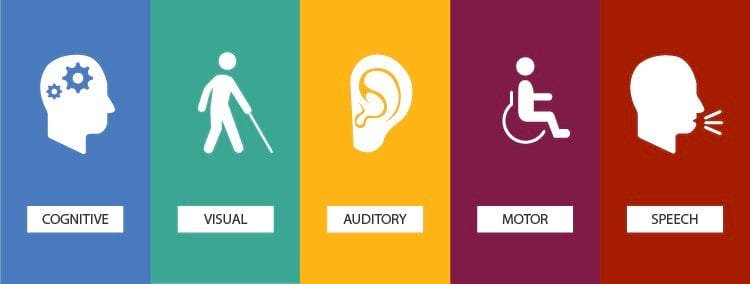
From an accessibility standpoint, voice interactions open doors for users with visual impairments, motor challenges, or cognitive differences. From a convenience standpoint, voice offers hands-free multitasking that integrates effortlessly into daily routines—whether a user is cooking, driving, or managing a busy workflow. As these technologies mature, the brands that offer cohesive visual and auditory experiences will capture the highest levels of customer loyalty.
Shifting from Visual to Auditory Brand Identity
In traditional web design, a brand speaks through its typography, color palette, and layout. In the realm of Voice UI, your brand speaks literally. The transition from visual branding to sonic branding requires a deep understanding of personality, tone, and conversational flow.
When designing a voice experience, you must ask yourself: If our brand were a person, how would they speak? Are they highly professional, structured, and concise? Or are they warm, empathetic, and conversational? This auditory persona must remain consistent across all touchpoints. The vocabulary choice, sentence length, and even the pacing of the voice assistant must reflect the core values of your creative business. A mismatched voice persona can instantly erode trust, making a premium service feel cheap or robotic.
Core Principles of Designing for Voice UI
Designing for the ear is fundamentally different from designing for the eye. Visual interfaces allow users to scan options, backtrack, and understand hierarchy at a glance. Voice interfaces, however, are linear and ephemeral. Once a word is spoken, it vanishes. To address these unique challenges, UX designers must adhere to several core principles.
1. Designing for Natural Conversation
Human conversation is cooperative, dynamic, and context-aware. To create an intuitive VUI, designers should look to the cooperative principle of conversation, which suggests that speakers naturally strive to be informative, truthful, relevant, and clear. Avoid forcing users to memorize specific commands or rigid syntax. Instead, design your system to recognize natural phrasing, synonyms, and conversational nuances. The goal is to make the technology adapt to the human, not the other way around.
2. Anticipating User Intent and Context
In visual design, we use hover states and disabled buttons to prevent user errors. In Voice UI, we must anticipate a wide variety of user inputs, known as utterances. Designers must map out comprehensive conversational pathways that account for different ways a user might express an intent. Crucially, your VUI must handle ambient noise, interruptions, and ambiguous queries gracefully. When an error occurs, the system should offer helpful, contextual prompts to guide the user back on track without making them feel frustrated.
3. Providing Multi-Modal Feedback
While voice is a powerful primary input, it is often most effective when paired with visual or haptic feedback. This is known as multi-modal interaction. For instance, a smart display can speak a recipe aloud while displaying the ingredient list on screen. When designing for voice, consider how visual cues on a phone, watch, or web browser can complement the auditory experience. This hybrid approach ensures that users always have a clear understanding of the system's state and their next steps.
Actionable Best Practices for UX Designers
To help your creative studio successfully navigate this transition, here are several actionable tips to implement in your next interaction design project:
- Keep responses concise: Avoid overwhelming the user with long blocks of spoken information. Keep voice prompts brief, focused, and actionable.
- Limit choices: When presenting options verbally, stick to the rule of three. Offering too many choices taxes the user's working memory and leads to cognitive overload.
- Write spoken scripts, not read text: People do not write the way they speak. Always read your VUI scripts aloud during the design phase to ensure they sound natural, rhythmic, and human.
- Use progressive disclosure: Offer high-level information first, and allow users to ask for more details if needed. This keeps the interaction fast and efficient.
- Establish clear exit points: Always give users an easy, intuitive way to end the conversation, pause the interaction, or start over.
The Future of Voice and Visual Integration
As we look to the future, the distinction between visual web design and Voice UI will continue to blur. We are moving toward a world of ambient computing, where technology seamlessly weaves into the background of our physical environments. Premium brands that invest in sophisticated, multi-modal interaction design today will be uniquely positioned to lead this new era.
By combining the emotional resonance of visual storytelling with the effortless utility of conversational AI, creative studios can craft experiences that feel less like software and more like natural, human relationships. The future of interaction design is not just about what we see—it is about how we listen, speak, and connect.