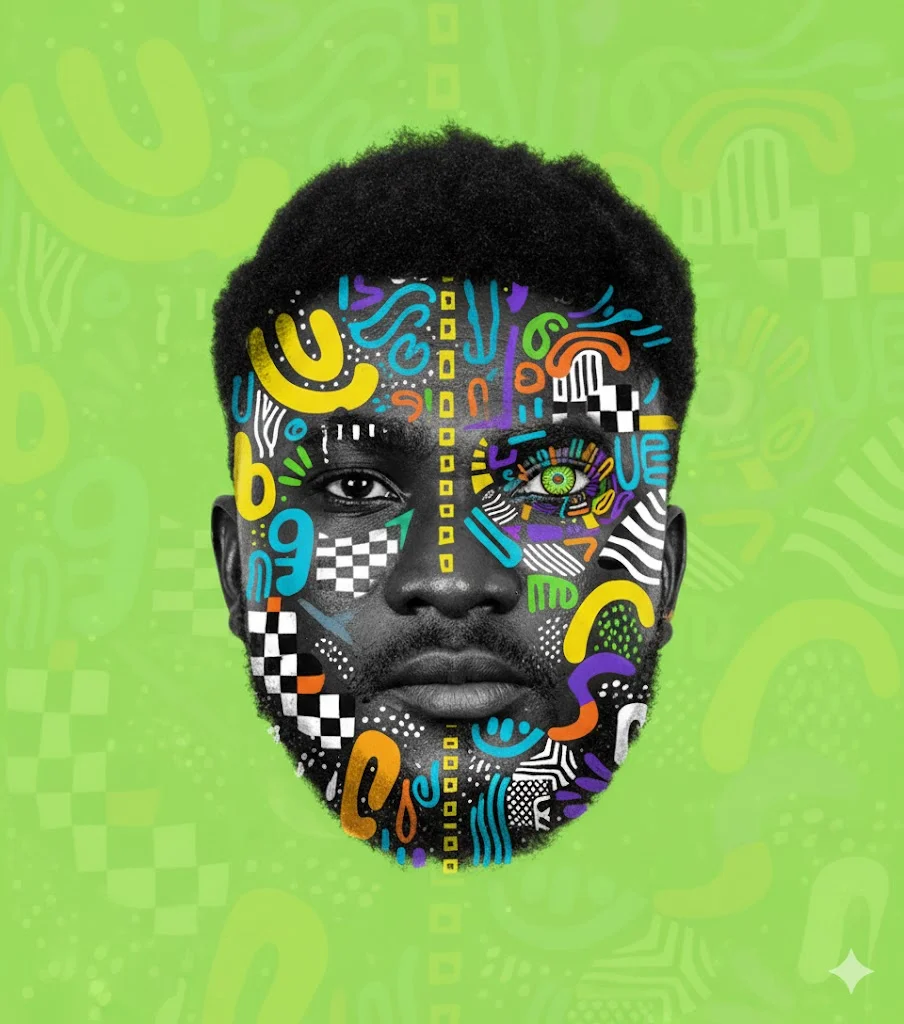

The creative landscape is undergoing a seismic shift. From generative design tools to automated copywriting platforms, artificial intelligence has moved from a futuristic concept to an everyday reality in modern workflows. For premium creative agencies, independent creators, and forward-thinking brands alike, this evolution brings both immense opportunity and profound responsibility. As we integrate these tools into our daily routines, understanding the ethical implications for designers interacting with AI-generated art is no longer optional—it is a critical business imperative. At im_Theo™ studio, we believe that true innovation lies at the intersection of cutting-edge technology and deep human empathy. Here, we unpack the complex ethical landscape of generative AI and outline how your creative business can navigate it with integrity, maintaining the high standards that premium clients expect.
The Rise of Generative AI in the Creative Industry
Generative AI has democratized visual creation in ways we could not have imagined a decade ago. With platforms like Midjourney, DALL-E 3, and Stable Diffusion, anyone can generate a high-fidelity image in seconds using simple text prompts. In the realms of branding, web design, and UX design, these tools are being used to accelerate brainstorming, generate mood boards, and create rapid prototypes. However, this unprecedented speed and accessibility come with a hidden cost. The rapid adoption of AI has outpaced the development of legal frameworks and ethical guidelines, leaving designers and brand strategists to navigate a complex moral maze. For a premium studio, the challenge is not just about adopting the latest tech; it is about understanding how these tools affect our clients, our industry, and the broader creative community.
Key Ethical Implications for Designers
To build a sustainable creative business, we must critically examine the foundations of generative technology. There are three primary ethical pillars that every modern designer, marketer, and brand manager must consider when incorporating machine-learning tools into their creative workflows.
Intellectual Property and Copyright Infringement
The most pressing ethical concern surrounding AI-generated art is the source of the training data. Most commercial AI models were trained by scraping billions of images from the internet without the consent, compensation, or credit of the original creators. When a designer uses an AI tool to generate an image, they are utilizing a system built on the intellectual labor of millions of artists who never agreed to participate. Furthermore, the legal landscape remains highly volatile. In many jurisdictions, AI-generated outputs cannot be copyrighted, meaning a brand could invest heavily in an AI-generated visual identity only to find they have no legal ownership over it. This poses a massive legal and financial risk for creative businesses and their clients.
The Devaluation of Human Creativity and Labor
As machine learning algorithms become more sophisticated, there is a growing concern about the devaluation of human labor. When complex illustrations or layouts can be generated instantly for pennies, clients may begin to question the pricing of professional design services. This economic pressure can lead to a race to the bottom, forcing designers to lower their rates or rush their processes. However, premium design is about far more than just aesthetics. It involves deep strategic thinking, user psychology, cultural nuance, and emotional resonance—qualities that AI cannot replicate. Designers must work to educate clients on the difference between a generated asset and a strategically crafted brand experience.
Algorithmic Bias and Lack of Diversity
AI models do not think; they predict patterns based on historical data. Because the internet is filled with systemic biases, underrepresentation, and stereotypes, AI-generated art often amplifies these flaws. For example, search queries for professional roles often return highly gendered or racialized results. When designers rely uncritically on AI for stock imagery, character design, or UX personas, they risk perpetuating these harmful stereotypes. Ethical design requires active curation, critical thinking, and a commitment to diversity. We must ensure that the visuals we produce reflect a fair, inclusive, and authentic world.
Actionable Strategies for Ethical AI Integration
Navigating these challenges does not mean rejecting technology. Instead, it means establishing a thoughtful, responsible framework for how we use it. Here are actionable tips for creative studios and designers looking to balance innovation with ethics:
- Establish a Transparent AI Manifesto: Define your studio's stance on AI. Create a written policy detailing when AI is acceptable (such as mood boarding or conceptual ideation) and when it is not (such as final client deliverables or brand logos). Share this manifesto with your clients to build trust.
- Prioritize Human-in-the-Loop Workflows: Use AI as an assistant, not a replacement. Let AI handle repetitive tasks or initial brainstorming, but ensure that the final design, strategic direction, and creative execution are driven entirely by human professionals.
- Support Ethical AI Models: Seek out and utilize AI platforms that prioritize ethical training data. Look for tools that license their training images legally, compensate creators, and allow artists to opt-out of data scraping.
- Focus on Bespoke Brand Assets: Differentiate your creative business by offering what AI cannot—highly customized, hand-crafted, and strategically researched design. Invest in unique typography, custom photography, and proprietary illustration styles that give your clients a distinct competitive edge.
- Educate Your Clients: Be proactive in discussing the legal and ethical risks of AI with your clients. Explain why custom design is a safer, more valuable long-term investment for their brand equity than generic, AI-generated alternatives.
The Future of Human-Centric Design at im_Theo™
At im_Theo™ studio, we believe that the future of design is inherently human. While we embrace technological advancement as a catalyst for efficiency, we remain steadfast in our commitment to original, ethical, and strategic creativity. AI can generate pixels, but it cannot understand a brand's soul, empathize with a user's frustration, or build a genuine emotional connection. By addressing the ethical implications of AI-generated art head-on, we protect our clients' intellectual property, support the global creative community, and elevate the true value of design. The future belongs to those who use technology to amplify human genius, not replace it. Let us build brands that stand for authenticity, integrity, and lasting impact.