As we navigate the evolving landscape of interaction design, voice UI is becoming an integral part of our daily lives. With the rise of smart speakers and virtual assistants, designing for voice is no longer a novelty, but a necessity. In this article, we'll delve into the world of voice UI and explore the principles of designing seamless voice experiences.
Understanding Voice UI
So, what exactly is voice UI? Simply put, it's the interaction between humans and machines using voice commands. This technology has been around for a while, but recent advancements in AI tools have made it more sophisticated and accessible.
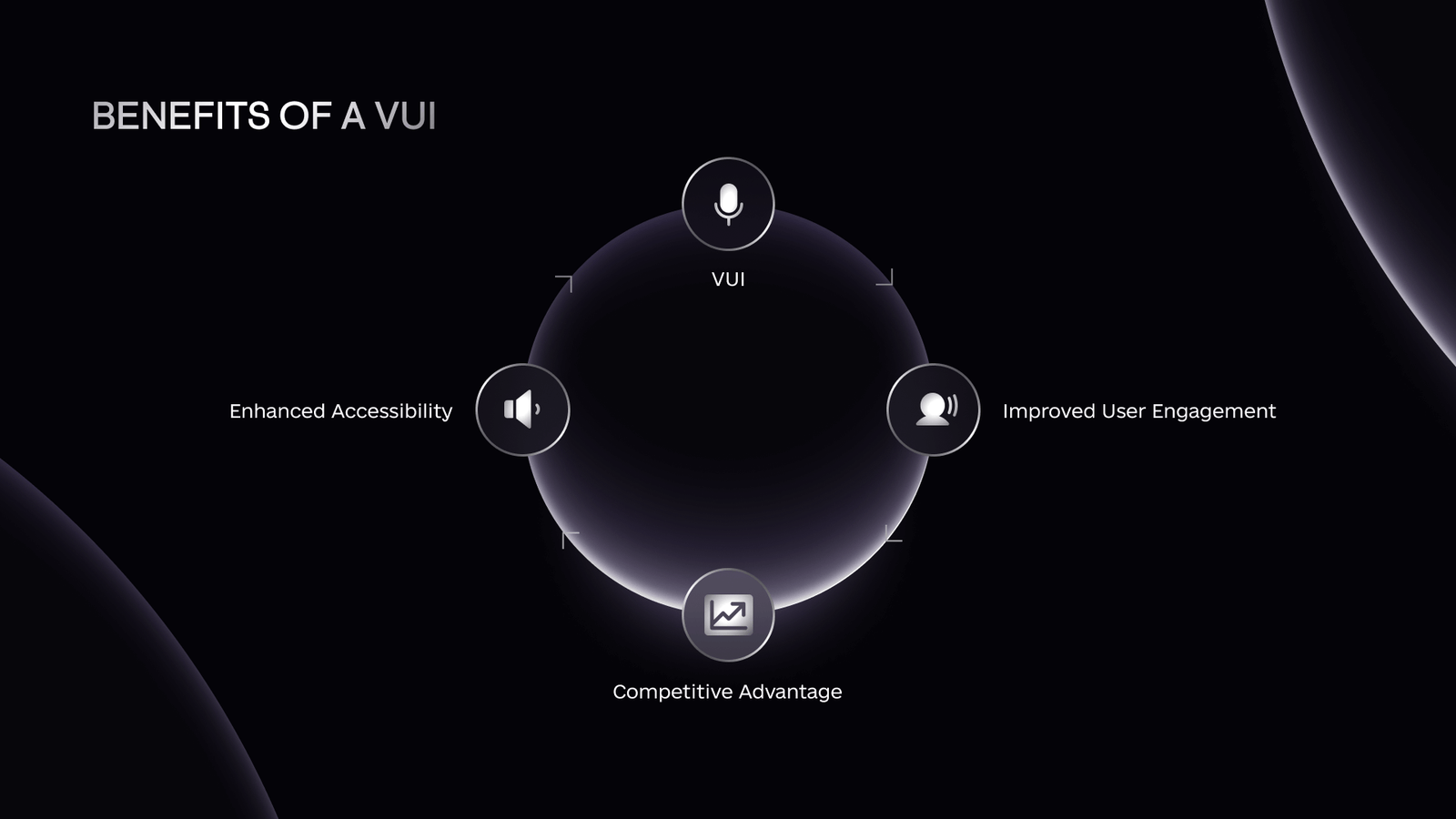
Benefits of Voice UI
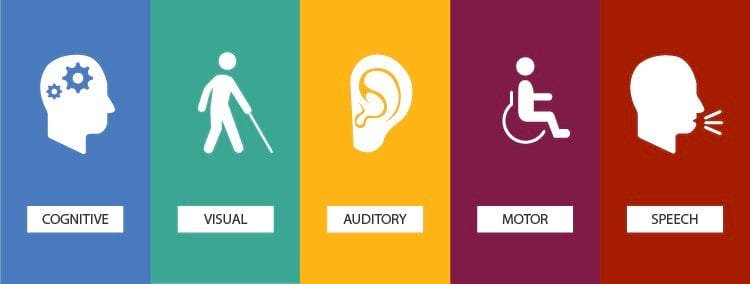
The benefits of voice UI are numerous. For one, it provides a hands-free experience, allowing users to interact with devices while performing other tasks. It's also a more natural way of communicating, as humans are wired to respond to voice commands. Moreover, voice UI can be particularly helpful for people with disabilities, providing an alternative means of interaction.
- Increased accessibility
- Hands-free experience
- Natural communication
Designing for Voice UI
So, how do you design for voice UI? Here are some actionable tips to get you started:
- Keep it simple: Voice UI is all about simplicity. Avoid complex commands and focus on straightforward, intuitive interactions.
- Use natural language: Design your voice UI to respond to natural language patterns. This will make the experience feel more human-like and engaging.
- Test and refine: Testing is crucial when it comes to voice UI. Refine your design based on user feedback and iterate until you get it just right.
Best Practices for Voice UI Design
When designing for voice UI, there are several best practices to keep in mind. These include:
- Providing clear and concise feedback
- Using a consistent tone and personality
- Designing for errors and exceptions
By following these principles and tips, you can create voice UI experiences that are both functional and engaging. As the technology continues to evolve, it's essential to stay ahead of the curve and adapt your design strategy accordingly.