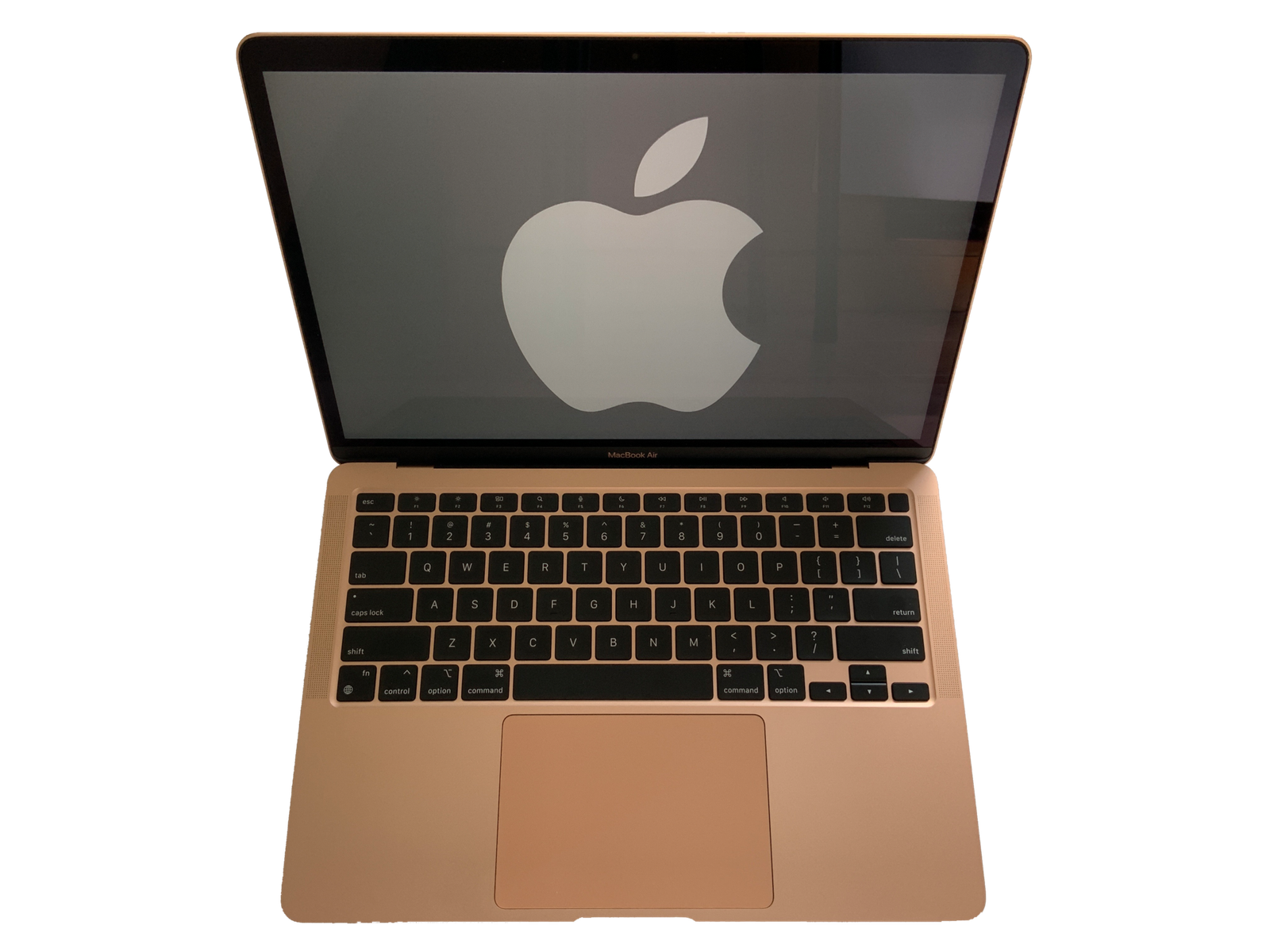
In a surprising turn at last week’s Apple keynote, the newly appointed CEO John Ternus sparked a wave of speculation by hinting at a touchscreen MacBook. The brief remarks, followed by a slide showing a sleek silhouette of a MacBook Pro with a capacitive surface, were enough to ignite the tech press. Analysts now have 12 distinct rumors to dissect, each pointing to a potential shift in Apple’s laptop strategy.
Apple's New CEO and the Touchscreen Pivot
John Ternus, formerly head of Apple’s hardware engineering, stepped into the CEO role two months ago. His first public appearance was marked by an almost cryptic statement: "We’re listening to how people interact with devices, and we’re listening to the future of that interaction." The audience immediately connected the dots to the touchscreen silhouette that followed. For a company that has traditionally championed precision, stylus-free design, this move could signal a broader embrace of multi-modal input.
12 Final Rumors: What They Reveal About Apple's Direction
- Touch-Enabled Retina Display: The rumored MacBook Pro would feature a 14‑inch or 16‑inch Retina panel with a 120Hz refresh rate, designed to support fluid touch gestures.
- New Apple Silicon: A custom silicon chip, dubbed the A17X, is expected to deliver GPU performance capable of handling high‑frame‑rate touch interactions.
- Battery Life Optimizations: Apple plans to incorporate a new battery chemistry that maintains 18‑hour usage even with constant touch input.
- Advanced Haptic Feedback: The device will likely include a haptic engine for tactile responses, enhancing the touch experience.
- Touch-Integrated Keyboard: A redesigned scissor‑switch keyboard with a built‑in touch strip for quick navigation.
- Software Layer – “TouchOS”: Apple is reportedly developing a new UI layer that would allow developers to build native touch interactions within macOS.
- Multi‑Device Ecosystem: The MacBook would sync seamlessly with iPads and iPhones for a unified touch workspace.
- Proprietary Stylus Support: Rumors suggest a new stylus, compatible with the touch surface, will be sold separately.
- Security Features: Touch ID might be replaced by a fingerprint sensor embedded in the display.
- Eco‑Friendly Materials: Apple plans to use recycled aluminum and a new biodegradable plastic for the chassis.
- Price Point: Expected to start at $1,999, positioning it as a premium yet competitive alternative to Windows touch laptops.
- Release Timeline: Industry sources predict a Q3 2026 launch, aligning with the Apple developer conference.
Industry Reactions and Market Implications
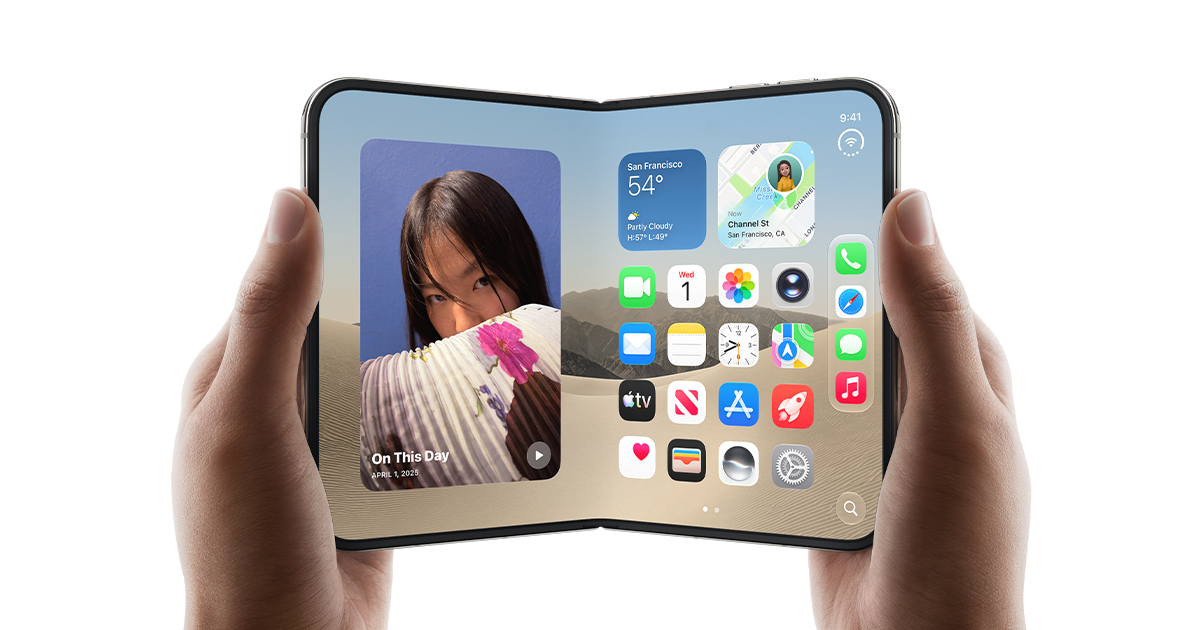
The announcement has sent ripples through the laptop market. Windows OEMs, notably Dell and HP, have already started to preview touch‑enabled models slated for late 2026. Samsung’s Galaxy Book Flex, which already offers a foldable touchscreen, is seen as a direct competitor. Meanwhile, the broader software ecosystem faces a new challenge: macOS has traditionally been optimized for keyboard and trackpad input. The introduction of a touch layer would require a major overhaul of existing applications and developer toolkits.
From a consumer perspective, the move could redefine the MacBook’s role. Instead of a pure productivity machine, the device would blur the line between a laptop and a tablet, offering a versatile experience for designers, editors, and creators. The potential for a seamless transition between touch and keyboard input might attract a new segment of users who favor fluid, gesture‑based workflows.
Concrete Takeaway for Developers and Designers
For the development community, the most actionable insight is the forthcoming TouchOS layer. Developers should begin preparing their applications for touch interactions by adopting responsive design principles and ensuring UI elements are large enough to be tapped accurately. The Apple Developer Documentation is expected to release new APIs in the next developer conference, so staying ahead of the curve by experimenting with prototype touch gestures in SwiftUI or AppKit will pay dividends.
Designers, on the other hand, should revisit the way they structure content for touch. This means simplifying navigation, using larger icons, and considering how gestures like pinch, swipe, and long‑press can replace traditional menus. The transition will not be a mere overlay; it will fundamentally alter how users interact with macOS.
In summary, John Ternus’s teaser is more than a headline; it’s a hint at Apple’s next evolutionary step. The 12 rumors provide a roadmap that points toward a future where the MacBook can be as intuitive as a tablet, without sacrificing the performance and ecosystem that Apple users have come to expect.