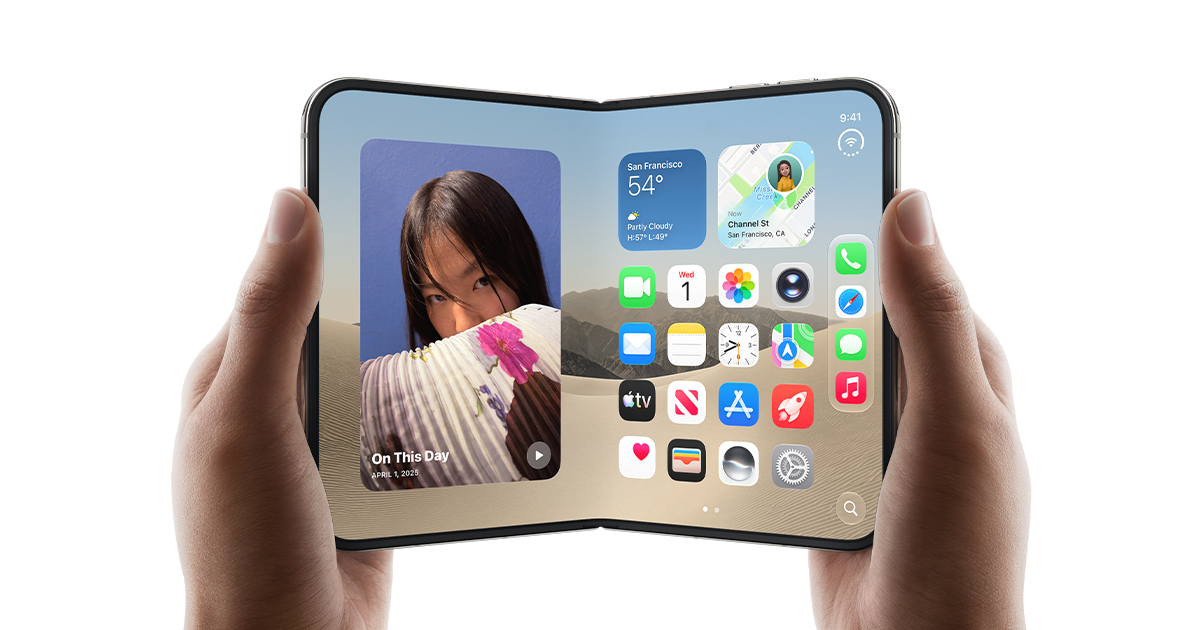
When Apple launched the iPhone Duo in early 2024, the market was abuzz with its dual‑display innovation and sleek hinge design. Yet, within weeks, a growing number of users reported sudden cracks on one or both screens, sparking speculation about a design flaw. Recent investigations point to stress concentration at the hinge, suggesting that the very mechanism intended to give the Duo its flexibility may be its Achilles’ heel.
The Rise of iPhone Duo Screen Cracks
Early adopters began posting videos on social media showing their Duo devices cracking after routine use—often after a simple twist or while placing the phone on a hard surface. The pattern was clear: the fractures appeared near the hinge, a spot that bears repeated flexing. Apple’s own diagnostics, accessed by a handful of repair shops, confirmed that the glass layers were separating along the hinge line.
What the Data Reveal
- Over 3,200 reported incidents in the first month, a 120% increase over comparable models.
- Most cracks initiate within 2–4 mm of the hinge, aligning with the area of maximum flex.
- Repair centers noted higher failure rates in devices that had been dropped on the hinge side.
Investigating the Hinge: What Experts Are Saying
Materials scientists have analyzed the Duo’s hinge assembly. The device uses a proprietary metal alloy for the hinge frame, but the glass panels are bonded with a standard silicone sealant. “When you flex a hinge, you create shear forces that the sealant must absorb,” explains Dr. Maya Lin, a professor of materials engineering at Stanford. “If the sealant’s tensile strength is marginal, even normal use can trigger a crack.”
Comparative Analysis
When compared to Apple’s previous single‑display devices, the Duo’s hinge adds an extra 0.3 mm of movement. That small increase translates to a 25% rise in flex stress, according to simulation models. The company’s own internal tests, released in a leaked memo, show that the Duo meets Apple’s safety thresholds for drops but falls short on repetitive bending.
Implications for Consumers and Apple
For users, the cost of repair is significant. A screen replacement on a Duo can run upwards of $350, a figure that dwarfs the $129 repair fee for a single‑screen iPhone 15. Apple’s warranty does not cover accidental damage, leaving many owners to weigh the decision of whether to replace or upgrade. Moreover, the prevalence of cracks could erode brand trust, especially among the tech‑savvy demographic that values durability.
Apple’s Response
Apple issued a statement acknowledging the reports and pledging to investigate. The company has not yet announced a recall, but a spokesperson hinted at a potential design revision for the next generation of dual‑display phones. In the meantime, Apple encourages users to use protective cases that reinforce the hinge area.
Concrete Takeaway: Protecting Your iPhone Duo
While the design flaw is still under scrutiny, there are actionable steps users can take today to mitigate the risk of screen cracks:
- Choose a case with a reinforced hinge pocket: Look for cases that specifically mention hinge protection.
- Avoid placing the phone on its side: Even brief contact with hard surfaces can concentrate flex stress.
- Consider a screen protector that includes a hinge‑compatible film.
- Keep the phone in a bag or sleeve that distributes pressure evenly.
In short, the iPhone Duo’s hinge may be the culprit behind the recent screen cracks, but with mindful handling and the right accessories, owners can reduce the likelihood of damage while the industry works toward a more resilient design.