When a designer walks into a client’s living room, the first thing they notice is the list of upgrades the homeowner has already paid for. Too often, those upgrades are more style than substance, and the cost is a red flag. Here’s a rundown of the eight upgrades that designers wish homeowners would stop paying for, and what to do instead.
The 8 Overpriced Upgrades Homeowners Keep Spending
1. Custom Cabinetry Overload
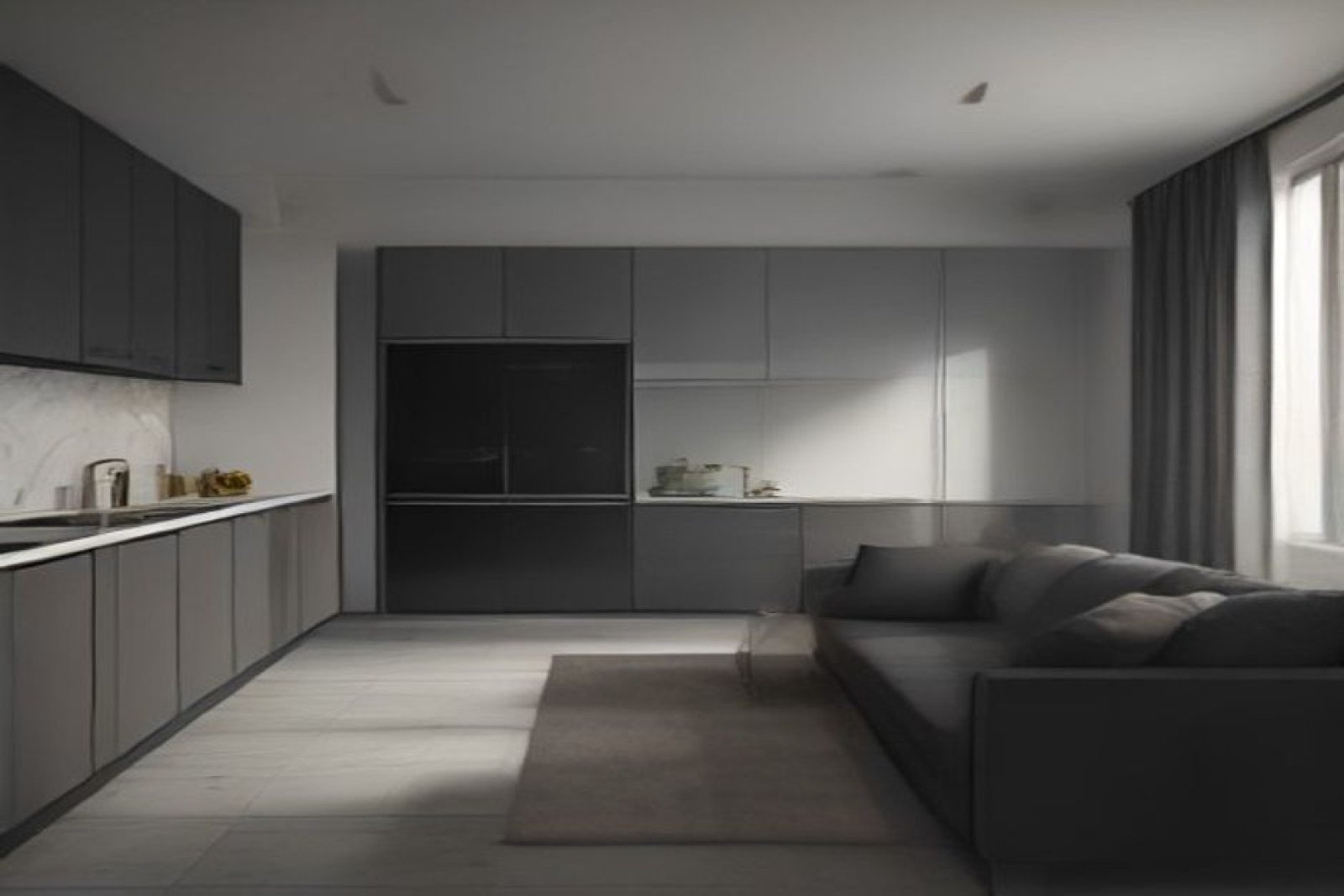
Custom cabinets can make a kitchen feel bespoke, but the price can skyrocket for minimal design changes. Designers point out that a simple trim or a more efficient layout often achieves the same effect for a fraction of the cost.
2. Smart Home Integration Without Usage
Smart thermostats, lighting, and security systems sound futuristic, yet many homeowners never use them fully. The initial investment and ongoing maintenance can outweigh the convenience.
3. Luxury Flooring Choices
High-end hardwood or exotic tiles may look stunning, but they’re susceptible to wear and costly repairs. A durable, mid-range laminate can offer similar aesthetics with less risk.
4. Professional Lighting Design Fees
While lighting is critical, hiring a lighting designer for every room is rarely necessary. A DIY approach using layered fixtures and dimmers can achieve a comparable look.
5. Premium Kitchen Appliances
Top-of-the-line stoves and refrigerators often come with features that go unused. Selecting appliances that balance performance and efficiency is a smarter budget choice.
6. Custom Closet Systems
Built‑in closet systems can be impressive, but they lock homeowners into a specific layout that may not adapt to future needs.
7. Water Filtration Systems
While clean water is essential, whole‑house filtration systems can be overkill. Point-of-use filters at the kitchen sink or shower are more cost‑effective.
8. Smart Thermostat Overkill
Smart thermostats promise energy savings, yet many homeowners neglect to program them properly, leading to minimal impact and wasted investment.
Why Designers See the Red Flags
Designers evaluate a space not just for its look, but for how it serves the homeowner’s lifestyle. Overpriced upgrades often:
- Skew the budget away from essential improvements
- Create maintenance headaches
- Limit future flexibility
By focusing on functionality, designers help clients avoid costly missteps.
A Practical Takeaway: Focus on Function Over Flash
When planning an upgrade, ask: Does this solve a real problem or simply look good? A good rule of thumb is to prioritize items that:
- Enhance daily living
- Offer long‑term durability
- Provide measurable cost savings
For instance, replacing a single, worn-out cabinet with a new panel can refresh a room’s look without the price tag of a full custom overhaul.
By filtering upgrades through these criteria, homeowners can allocate their budgets to the improvements that truly matter, turning a costly renovation into a smart, sustainable investment.