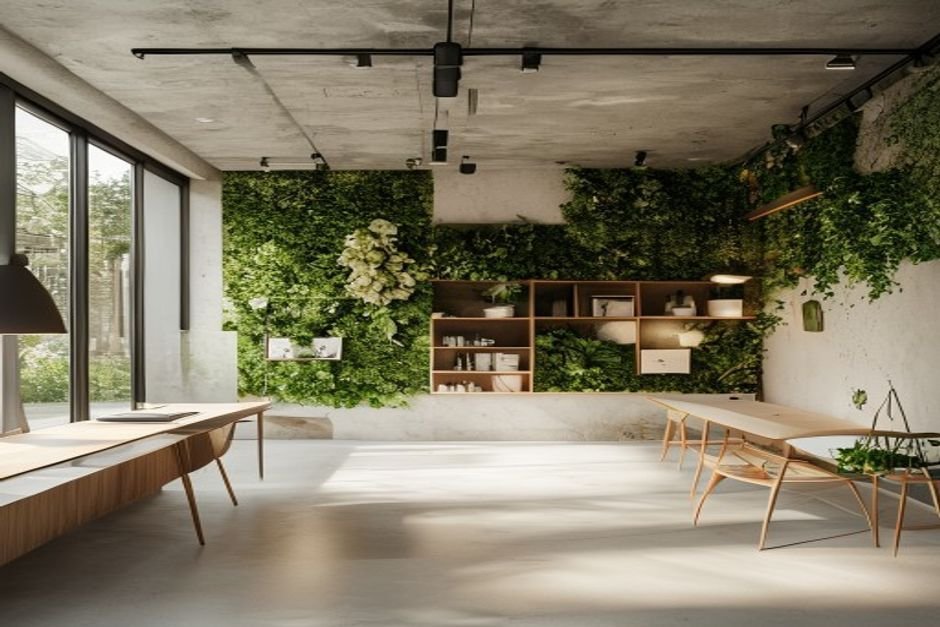
Sustainable design is no longer a trend, but a necessity in today's creative business landscape. As consumers become increasingly environmentally conscious, sustainable design has become a key differentiator for brands looking to make a positive impact. By incorporating eco-friendly practices and materials into their design process, businesses can reduce their carbon footprint while also enhancing their brand reputation.
What is Sustainable Design?
Sustainable design is an approach to design that prioritizes the well-being of both people and the planet. It involves creating products, services, and experiences that minimize harm to the environment while also promoting social responsibility. This can include using recycled materials, reducing waste, and optimizing energy efficiency.
Benefits of Sustainable Design
- Enhanced brand reputation
- Increased customer loyalty
- Cost savings through reduced waste and energy efficiency
- Improved supply chain management
One of the most significant benefits of sustainable design is its impact on branding. By embracing eco-friendly practices, businesses can demonstrate their commitment to social responsibility and appeal to the growing demographic of environmentally conscious consumers. This can be achieved through AI tools that help designers optimize their designs for sustainability, such as software that simulates the environmental impact of different materials and production methods.
Actionable Tips for Implementing Sustainable Design
To get started with sustainable design, businesses can take the following steps:
- Conduct a life cycle assessment to identify areas for improvement in their design process
- Invest in AI tools that support sustainable design, such as design simulation software
- Collaborate with eco-friendly suppliers to source sustainable materials
- Develop a sustainability strategy that aligns with their brand values and mission
By embracing sustainable design, businesses can not only reduce their environmental impact but also enhance their brand reputation and appeal to the growing demographic of environmentally conscious consumers. As the creative business landscape continues to evolve, it's clear that sustainable design will play an increasingly important role in shaping the future of design and branding.