The integration of AI-generated art into the design industry has been a game-changer, offering unprecedented opportunities for creative businesses to innovate and differentiate themselves. With the ability to generate unique, high-quality designs at unprecedented speeds, AI tools are revolutionizing the way we approach branding and visual identity. In this article, we'll delve into the world of AI-generated art, exploring its current state, future potential, and what it means for the future of creative design.
What is AI-Generated Art?
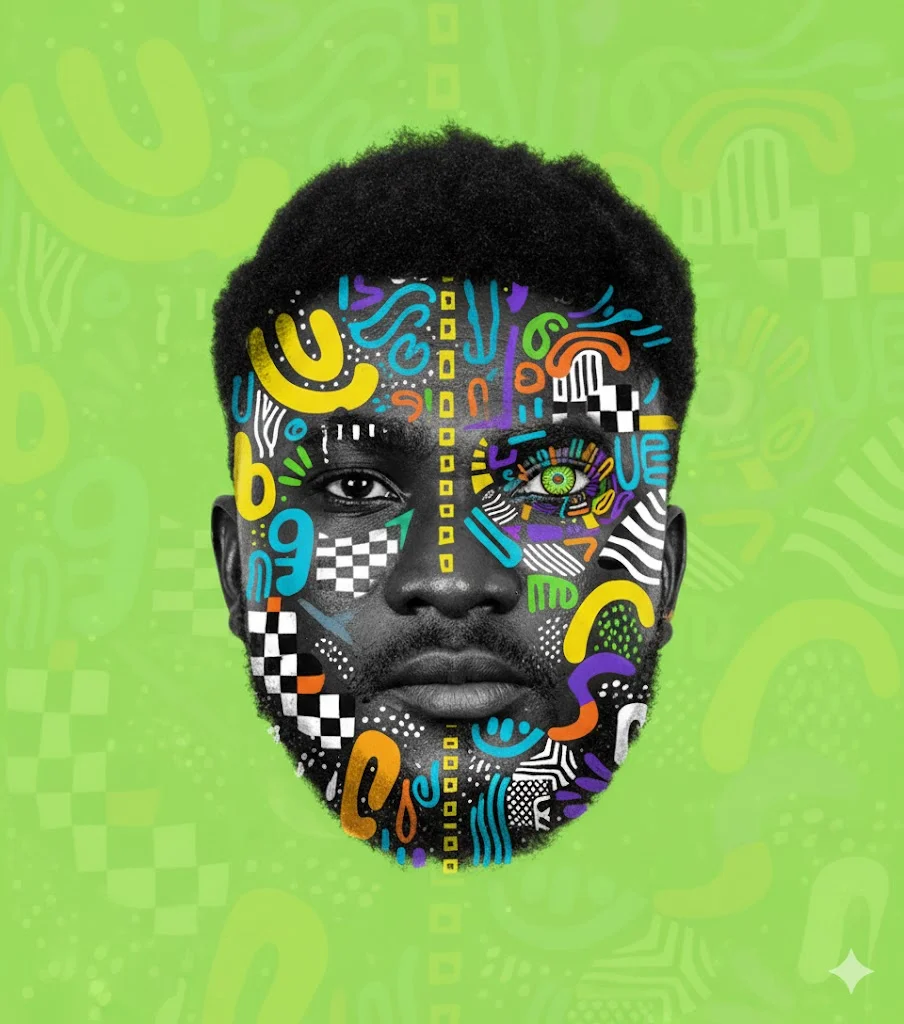
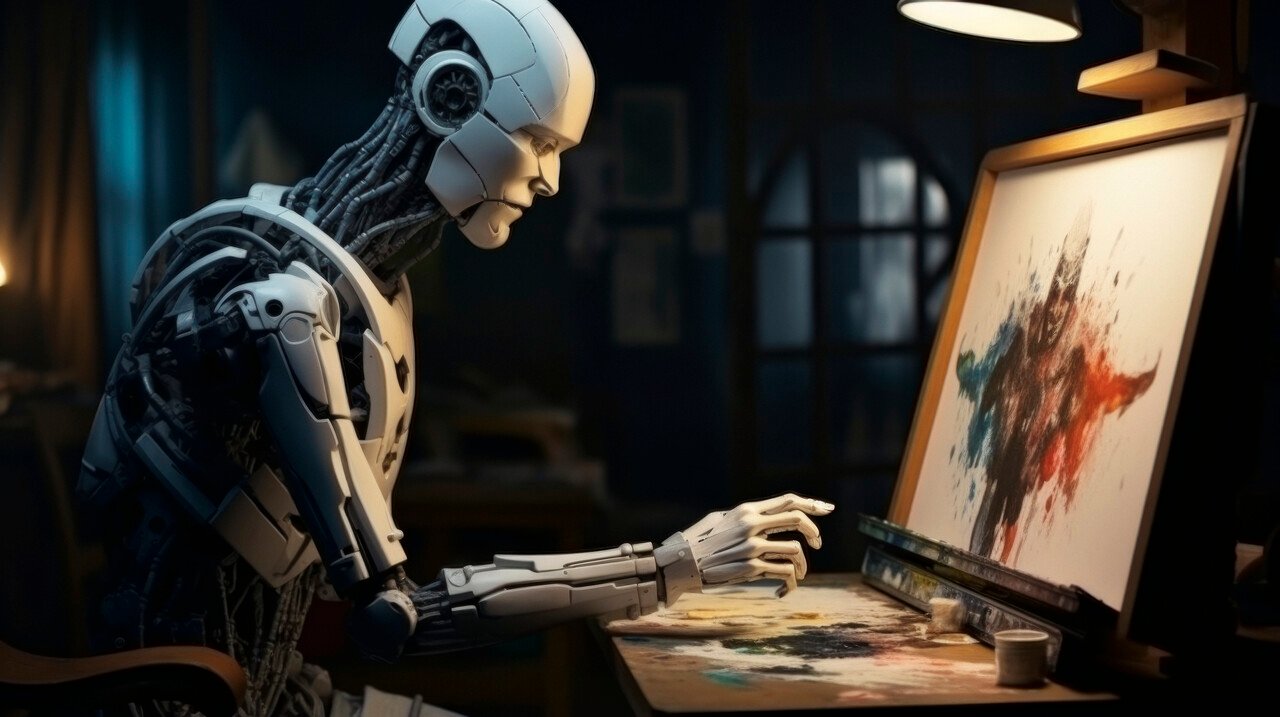
AI-generated art refers to the use of artificial intelligence algorithms to create original artwork, designs, and other forms of visual content. This technology has been gaining traction in recent years, with numerous AI tools and platforms emerging to cater to the growing demand for AI-generated art. From logo design to digital paintings, the possibilities are endless, and the implications for the design industry are profound.
Benefits of AI-Generated Art
- Increased Efficiency: AI-generated art can produce high-quality designs at unprecedented speeds, freeing up human designers to focus on more complex and creative tasks.
- Improved Consistency: AI algorithms can ensure consistency in design, reducing the risk of human error and resulting in a more cohesive visual identity.
- Enhanced Creativity: AI-generated art can explore new and innovative design concepts, often pushing the boundaries of what is possible and inspiring human designers to think outside the box.
Real-World Applications of AI-Generated Art
From advertising and marketing to product design and architecture, the applications of AI-generated art are vast and varied. Companies like Netflix and IBM are already using AI-generated art to create personalized promotional materials and enhance their brand identities. As the technology continues to evolve, we can expect to see even more innovative uses of AI-generated art in the future.
Actionable Tips for Creative Businesses
- Experiment with AI Tools: Explore the various AI tools and platforms available, and experiment with different design concepts and ideas.
- Collaborate with Human Designers: Combine the strengths of human creativity with the efficiency and innovation of AI-generated art to produce truly unique and effective designs.
- Stay Up-to-Date with Industry Trends: Continuously monitor the latest developments in AI-generated art and design, and be prepared to adapt and evolve your strategy as the technology advances.
In conclusion, AI-generated art is poised to revolutionize the design industry, offering unprecedented opportunities for creative businesses to innovate and differentiate themselves. By embracing this technology and exploring its potential, designers and businesses can stay ahead of the curve and thrive in an increasingly competitive market.