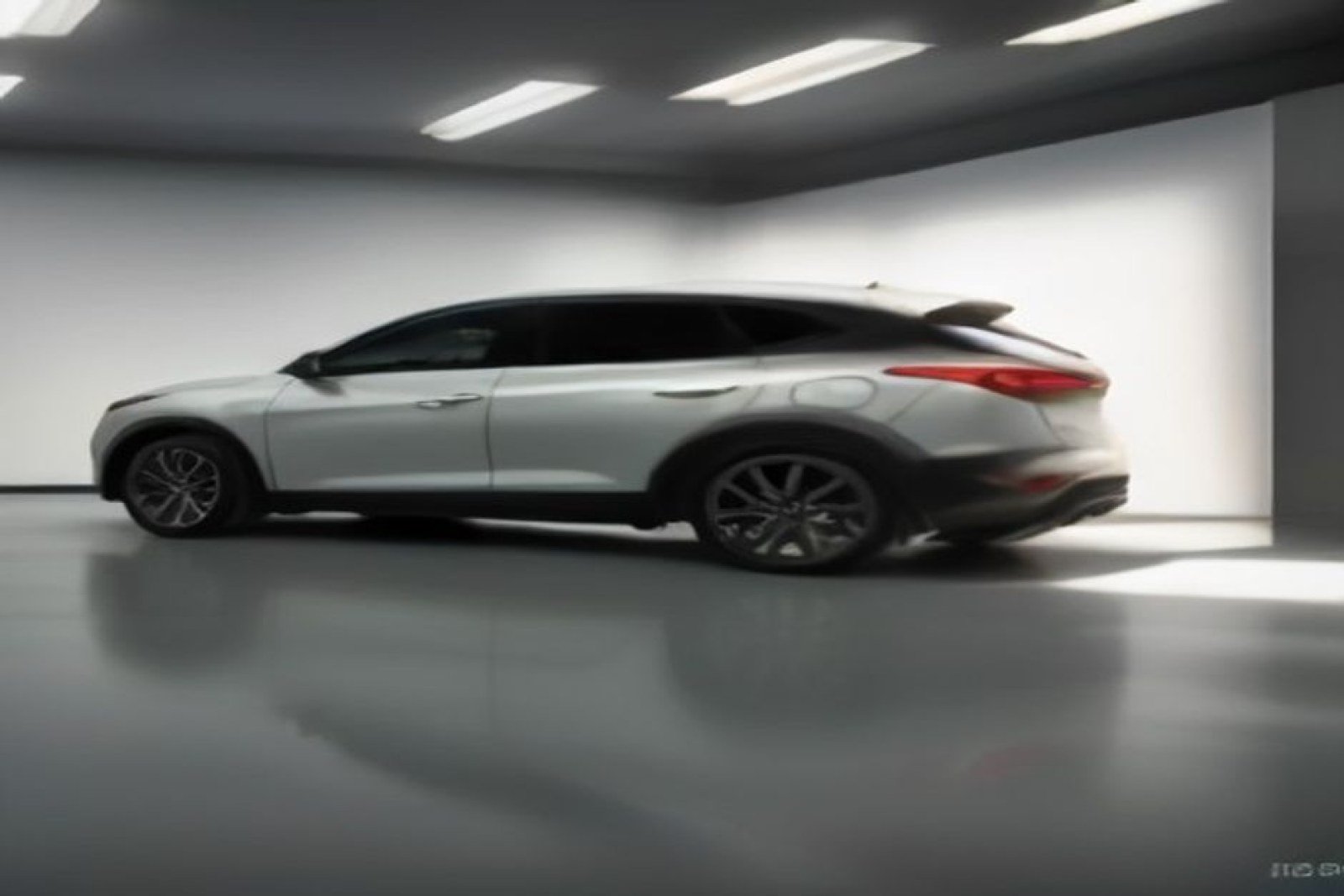
On the morning of the Geneva Motor Show, Hyundai unveiled the next generation of its popular Tucson compact SUV, delivering a visual and experiential overhaul that feels as much a statement of brand identity as a vehicle.
What Hyundai Is Showcasing
The new Tucson arrives with a sharply angular front fascia, a swooping roofline, and a sculpted side profile that blurs the line between muscle car flair and everyday practicality. Hyundai’s design team has adopted a dynamic minimalism philosophy—bold lines paired with clean surfaces—creating a silhouette that feels both aggressive and approachable.
Under the hood, the model offers a range of powertrains, from a turbocharged 2.0-liter four-stroke to a plug-in hybrid that promises over 50 miles of electric‑only range. Yet it is the interior that truly underscores Hyundai’s design intent.
Interior UX Meets Futurism
The cabin features a curved digital instrument cluster that doubles as a touchscreen, a gesture that merges the physical and virtual. The layout follows a single-pane philosophy, reducing visual clutter and allowing the driver to focus on the road. Materials range from soft-touch plastics to premium synthetic leather, with an emphasis on tactile engagement.
One standout is the Adaptive Ambient Lighting system, which adjusts hue and intensity based on time of day and driving mode—a example of how design can influence mood and ergonomics.
Why the Design Shift Resonates
Hyundai’s radical redesign is not a mere aesthetic exercise; it reflects a broader shift in automotive design toward user‑centric experiences. By blending aggressive styling with thoughtful ergonomics, Hyundai addresses a key market demand: a vehicle that feels like an extension of the owner’s lifestyle.
- Brand Positioning: The bold exterior signals a new era for Hyundai, positioning the brand alongside premium competitors without abandoning its value‑centric roots.
- User Experience: The streamlined cockpit and intuitive controls reduce cognitive load, improving safety and satisfaction.
- Technological Integration: Seamless connectivity via the Hyundai Digital Hub allows users to manage navigation, media, and vehicle health through a single interface.
- Sustainability: The hybrid powertrain and lightweight construction lower emissions and improve efficiency, aligning design with environmental responsibility.
For designers, the Tucson illustrates how automotive design can influence broader brand narratives and consumer expectations.
Concrete Takeaway for Designers
When approaching a product redesign, prioritize the intersection of visual impact and user experience. Hyundai’s approach shows that radical aesthetics should be grounded in functional ergonomics—every line, every material, and every digital element must serve the user’s needs. By marrying bold design with intuitive UX, brands can create products that are not only visually striking but also deeply resonant with their audience.