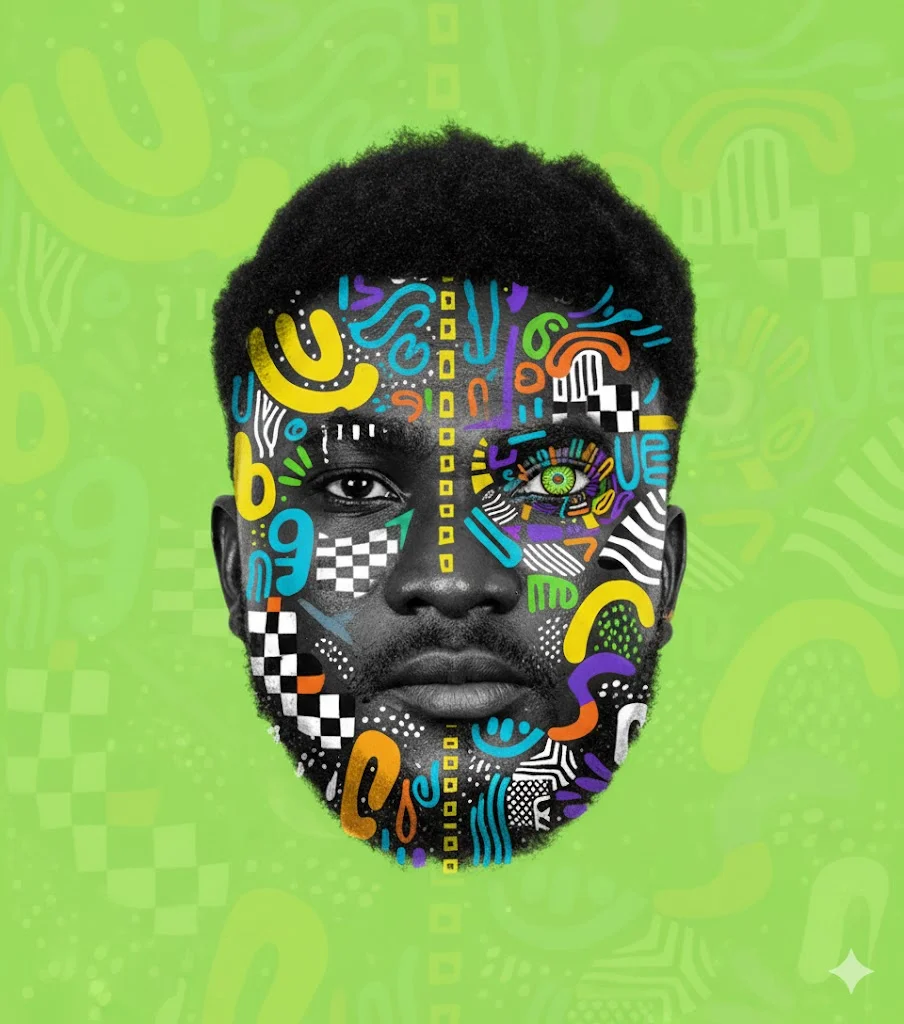
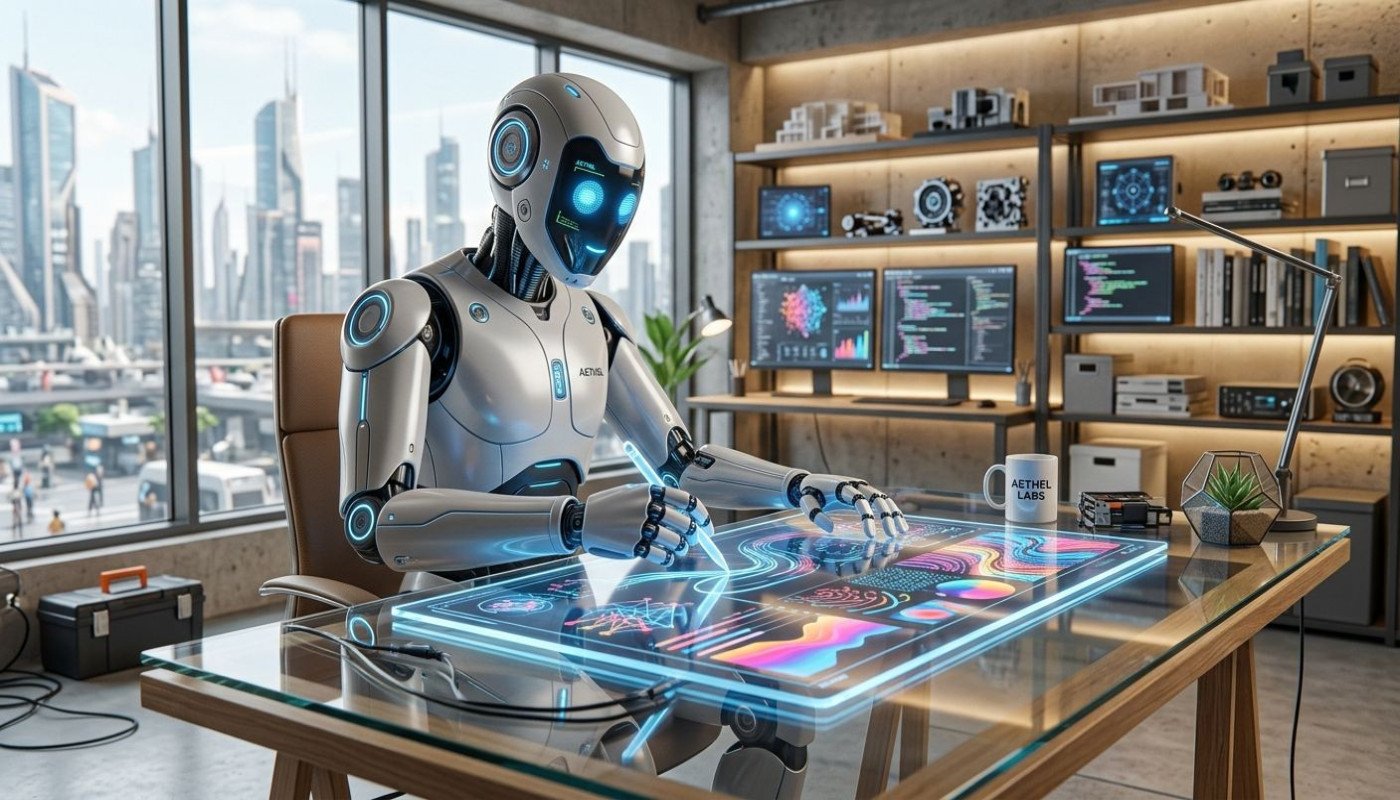
The integration of AI-assisted design tools is revolutionizing the creative industry, enabling designers to work more efficiently and effectively. With the power of artificial intelligence, designers can now focus on high-level creative decisions, while AI handles tedious and time-consuming tasks. In this article, we'll explore the future of creative work and how AI-assisted design tools are changing the game.
What are AI-Assisted Design Tools?
AI-assisted design tools are software applications that utilize machine learning algorithms to assist designers in their work. These tools can perform a variety of tasks, such as color palette generation, font pairing, and even layout suggestions. By automating these tasks, designers can save time and focus on the creative aspects of their work.
Benefits of AI-Assisted Design Tools
- Increased efficiency: AI-assisted design tools can automate repetitive tasks, freeing up designers to focus on high-level creative decisions.
- Improved consistency: AI-assisted design tools can ensure consistency in design elements, such as color and typography.
- Enhanced creativity: AI-assisted design tools can provide designers with new ideas and inspiration, helping to overcome creative blocks.
One of the most significant benefits of AI-assisted design tools is their ability to learn and adapt to a designer's style and preferences. This means that the more a designer uses an AI-assisted design tool, the more tailored the tool becomes to their specific needs.
Real-World Applications of AI-Assisted Design Tools
AI-assisted design tools are being used in a variety of industries, including branding, web design, and graphic design. For example, AI-assisted design tools can be used to create custom logos and brand identities in a matter of minutes. They can also be used to generate web page layouts and user interface (UI) designs.
Actionable Tips for Getting Started with AI-Assisted Design Tools
- Start by exploring different AI-assisted design tools and finding the one that best fits your needs.
- Experiment with different features and functions to get a feel for how the tool works.
- Use AI-assisted design tools in conjunction with your existing design workflow to streamline your process.
As the creative industry continues to evolve, it's clear that AI-assisted design tools will play a major role in shaping the future of design. By embracing these tools and learning how to use them effectively, designers can stay ahead of the curve and take their work to the next level.