
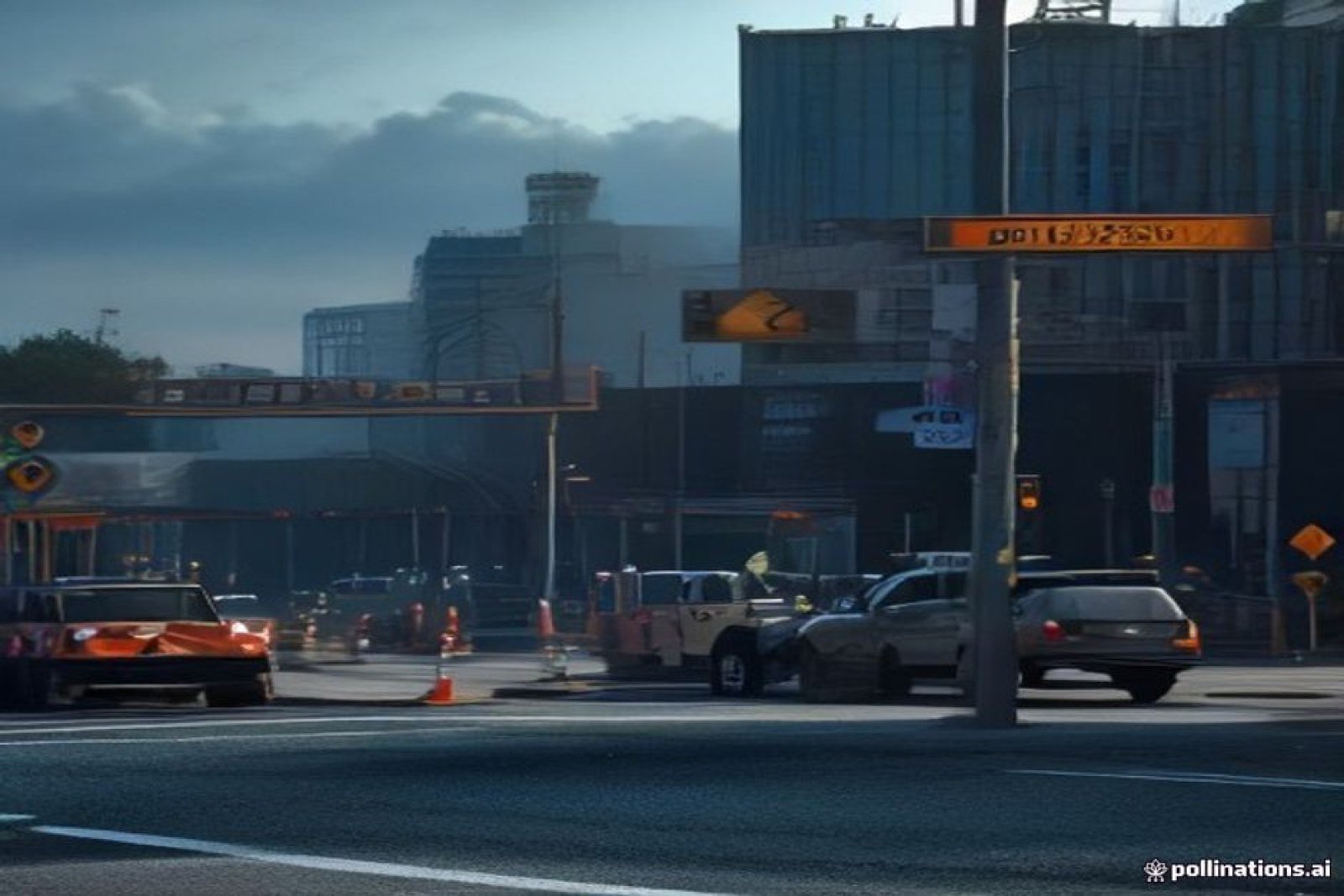
The latest development on the Md. 355 corridor marks a pivotal moment for the region’s transportation network. After months of detailed planning and community consultations, the design phase for the intersection has almost finished, and the project is moving into the hard‑work stage of utility installation.
Design Phase Wraps Up
Engineers and designers from the local public works department have finalized the layout of the new intersection, which includes widened turn lanes, a dedicated bike path, and updated signage that aligns with modern safety standards. The design also incorporates a smart traffic signal system that will adapt to real‑time traffic patterns, reducing congestion during peak hours. According to the project lead, the design phase was completed on schedule, a notable achievement given the complexities of integrating new infrastructure into an existing roadway.
Utility Work Gets Underway
With the design plans locked in, the next phase involves relocating existing utilities—electric, water, and telecommunications—to accommodate the new road geometry. Utility crews began the day‑long excavation at 8 a.m., carefully mapping out the underground network to avoid service disruptions. The work is expected to finish within the next two months, after which the roadway can be paved and the traffic signals installed.
What This Means for Local Drivers
For commuters, the upgraded intersection promises smoother flow and fewer delays. The new signal timing algorithm, powered by sensors, will shorten stop times by up to 15 percent during rush hour. In addition, the addition of a protected bike lane will encourage alternative transportation options and improve safety for cyclists.
Community members have expressed optimism about the project’s impact on local safety:
- Reduced collision rates due to clearer lane markings
- Improved visibility with modern lighting fixtures
- Enhanced pedestrian crosswalks with raised platforms
Key Takeaway: Coordination is Crucial
The Md. 355 intersection upgrade underscores the importance of coordinated planning between design teams, utility providers, and traffic engineers. When each stakeholder aligns their timelines and expectations, projects can stay on budget and avoid costly delays. This project serves as a model for how public works can deliver tangible benefits—better traffic flow, safer roads, and a cleaner environment—by keeping communication channels open and sticking to a clear, shared vision.